



Nuclear Factor of activated T Cells (NFAT)
Nuclear factor of activated T cells (NFAT) proteins are a family of Ca2+/calcineurin-dependent transcription factors that were initially identified as inducible nuclear factors that could bind the interleukin-2 (IL-2) promoter in activated T cells. However, when all of the proteins of the NFAT family had been isolated and molecularly characterized, it became clear that their expression was not limited to T cells. Recent work has uncovered new regulatory roles for NFAT proteins in diverse organs, including the central nervous system, blood vessels, heart, kidney, bone, skeletal muscle and haematopoietic stem cells. For examples, cells in the vessel wall display a diverse array of Ca2+ signaling modalities, which are subject to change during disease. The fact that NFAT proteins are able to decode and translate these signals into changes in gene expression makes them potential regulators of vascular pathogenesis.
All Product Categories
-
Nuclear Factor of activated T Cells (NFAT) Related Products (65)
Related Products (65)

-
Antibodies (11)
-
HMBPP lithium
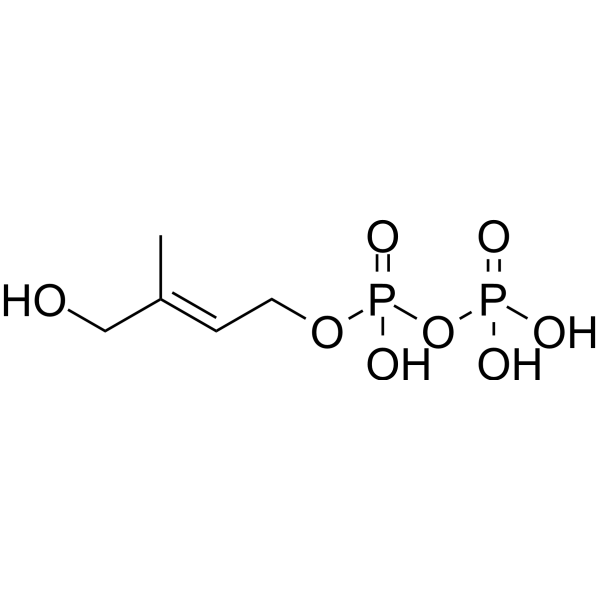 0 ImagesSynonyms: (E)-4-Hydroxy-3-methyl-but-2-enyl diphosphate lithiumHMBPP lithium is an intermediate in isoprenoid biosynthesis that can be produced by bacteria and protozoa that use the non-mevalonate pathway for isoprenoid biosynthesis. HMBPP lithium is a ligand of the internal domain of BTN3A1 and is an activator for human Vγ9/Vδ2 T cells. HMBPP lithium exhibits phagostimulant property in mosquitos.
-
Rencofilstat
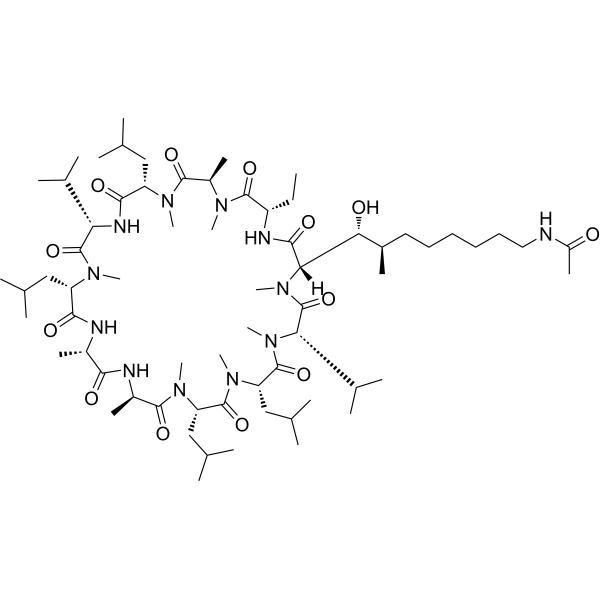 0 ImagesCat. No.: HY-135644CAS No.: 1383420-08-3Synonyms: CRV431Rencofilstat (CRV431) is an orally active pan-cyclophilin inhibitor with IC50 values of 2.5 nM, 3.1 nM, 2.8 nM, 7.3 nM for Cyp A, CypB, Cyp D and Cyp G, respectively. Rencofilstat reduces fibrosis and tumor growth in models of chronic liver disease. Rencofilstat can be used for the study of nonalcoholic steatohepatitis (NASH), hepatocellular carcinoma and viral hepatitis-induced liver disease.
-
Maltobionic acid
 0 ImagesCat. No.: HY-W423191CAS No.: 534-42-9Synonyms: 4-O-α-D-Glucopyranosyl-D-gluconic acidMaltobionic acid (4-O-α-D-Glucopyranosyl-D-gluconic acid) is an orally active oligosaccharide and iron chelator with antibacterial activity. Maltobionic acid inhibits the expression of NFATc1, suppresses osteoclast differentiation, inhibits bone resorption, and increases serum calcitonin levels. Maltobionic acid protects mammalian cells from hydrogen peroxide (H2O2)-induced oxidative damage; resists fermentation by the gut microbiota; and exhibits anti-digestive and anti-fermentative properties. Maltobionic acid can be used in research related to osteoporosis, bacterial infections, and constipation.
-
11R-VIVIT TFA
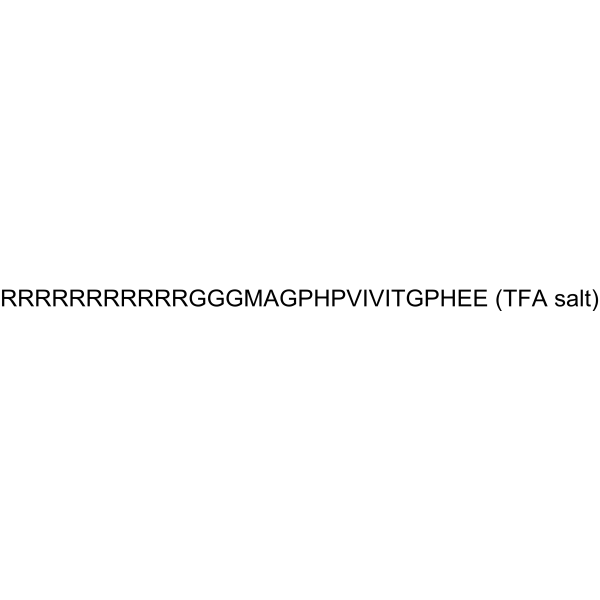 0 ImagesCat. No.: HY-P1430APurity: 99.67%Synonyms: Cell permeable NFAT inhibitor TFA11R-VIVIT TFA is a cell-permeable nuclear factor of activated T cells (NFAT) inhibitor. 11R-VIVIT TFA can be used for the research of podocyte and diabetic nephropathy.
-
(R)-Elagolix
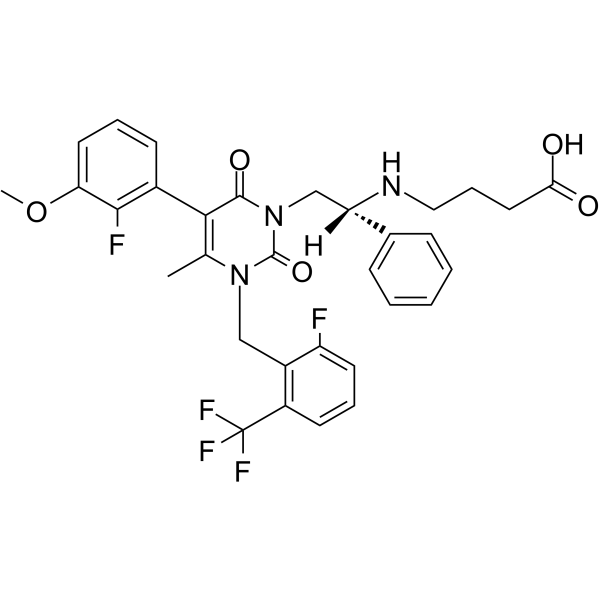 0 ImagesCat. No.: HY-14789CAS No.: 834153-87-6Synonyms: NBI-56418Elagolix is a highly effective, selective, oral-active, short-term, non-peptide gonadotropin-releasing hormone receptor (GnRH receptor) antagonist (KD = 54 pM) and NFAT inhibitor, which can be used to study pain related to endometriosis. .
-
3′,4′,7-Trihydroxyflavone
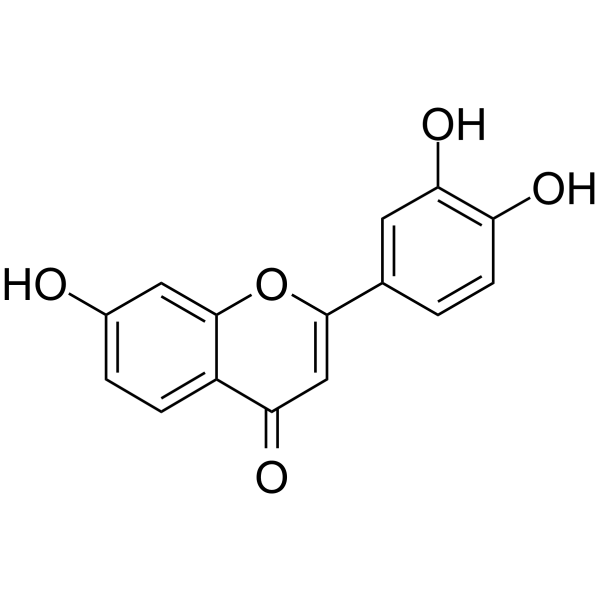 0 Images3′,4′,7-Trihydroxyflavone is an orally active inhibitor of OXA-48 (IC50 = 1.89 μM) and COX-1 (IC50 = 36.37 μM). 3′,4′,7-Trihydroxyflavone exhibits antioxidant and anti-inflammatory properties, inhibiting the release of inflammatory cytokines such as IL-6, IL-8, and TNF-α. 3′,4′,7-Trihydroxyflavone inhibits H2O2-induced neuronal apoptosis and ROS accumulation, and exerts anti-neuroinflammatory effects by suppressing the JNK-STAT1 pathway. 3′,4′,7-Trihydroxyflavone exhibits antimicrobial and antibiotic-modifying activities against multidrug-resistant Gram-negative enteric bacteria. 3′,4′,7-Trihydroxyflavone inhibits RANKL-induced osteoclast formation via NFATc1. 3′,4′,7-Trihydroxyflavone activates the CREB-BDNF axis and restores scopolamine (HY-N0296)-induced memory deficits in mice.
-
Pteryxin
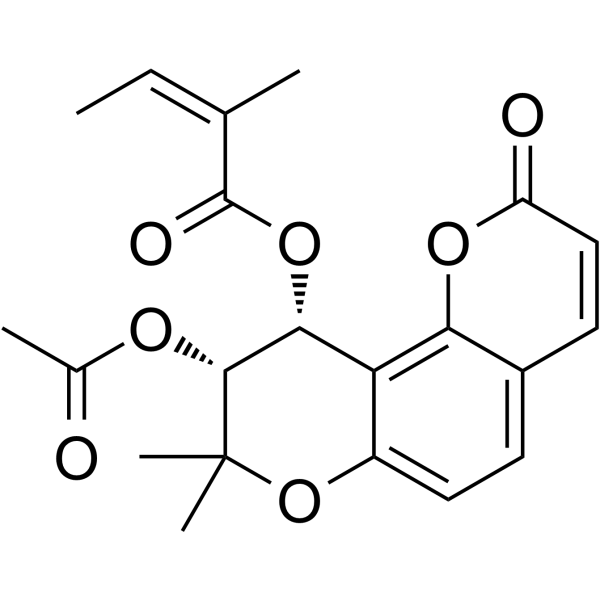 0 ImagesSynonyms: (+)-PteryxinPteryxin ((+)-Pteryxin) is an orally active multi-target inhibitor that targets NF-κB, MAPK, NLRP3 inflammasome, and Nrf2/ARE pathways. Pteryxin is also a BChE inhibitor (IC50=12.96 μg/mL) with a low inhibitory efficiency on AChE. Pteryxin inhibits the Ca2+-calcineurin-NFATc1 pathway by blocking NF-κB/MAPK signaling, inhibiting NLRP3 inflammasome activation, and reducing ROS generation, and activates Nrf2-mediated antioxidant enzyme expression. Pteryxin has anti-inflammatory, antioxidant, and osteoclastogenesis inhibitory activities. Pteryxin can be used in the study of inflammatory diseases, osteoporosis, diabetes, and Alzheimer's disease.
-
Alisol A 24-acetate
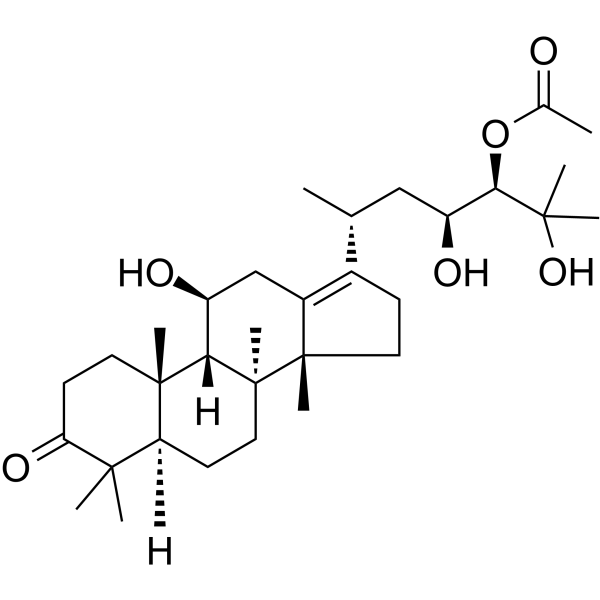 0 ImagesSynonyms: Alisol A 24-monoacetate; Alisol A monoacetateAlisol A 24-acetate (Alisol A monoacetate) is an orally active derivative of protostane-type tetracyclic triterpenoid. Alisol A 24-acetate upregulates the expression of adiponectin, AMPKα, CPT1, and ACOX1; downregulates the expression of SREBP-1c, ACC, FAS, Bcl-2, Bcl-xl, PPAR-γ, perilipin A, and NFATc1; inhibits the activity of PI3K/Akt/mTOR and HMGR; and activates the PKA and ERK signaling pathways. Alisol A 24-acetate regulates cell apoptosis (apoptosis), autophagy (Autophagy, hepatic lipid accumulation, inflammatory response, neuroprotection, MRSA membrane integrity, and osteoclast differentiation. Alisol A 24-acetate can be used in research related to non-alcoholic fatty liver disease, nephrotoxicity, obesity, global cerebral ischemia-reperfusion injury, bacterial infection, and osteoporosis.
-
Q134R
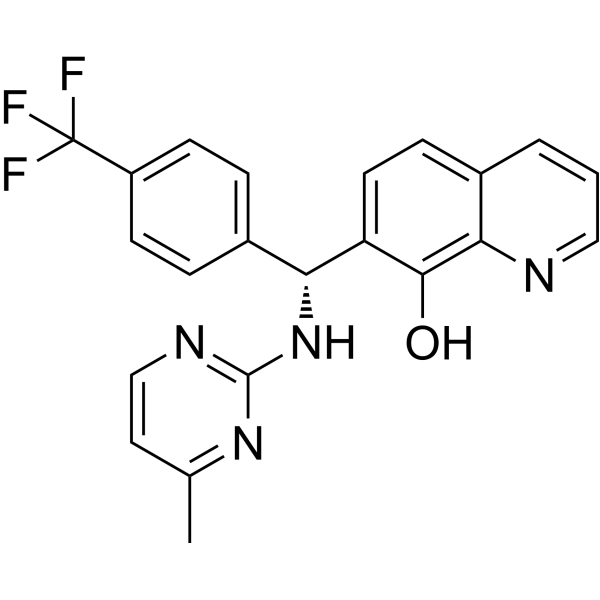 0 ImagesQ134R, a neuroprotective hydroxyquinoline derivative that suppresses nuclear factor of activated T cell (NFAT) signaling. Q134R can across blood-brain barrier. Q134R has the potential for Alzheimer's disease (AD) and aging-related disorders research.
-
KRM-III
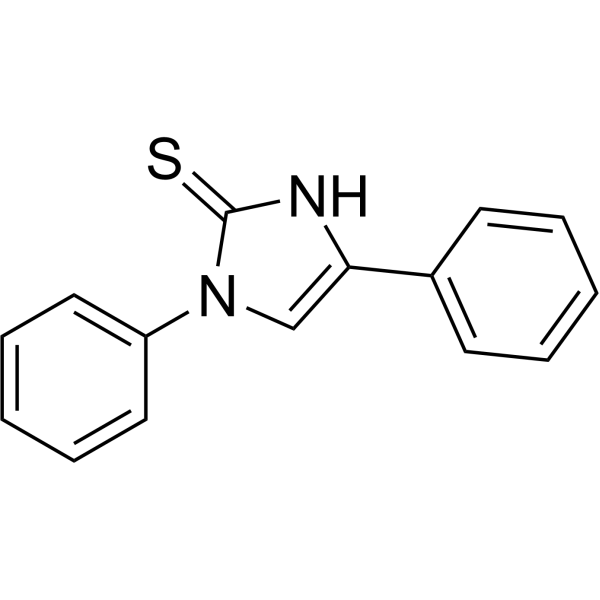 0 ImagesKRM-III is an orally active TCR inhibitor and NFAT inhibitor with an IC50 of 5 μM against NFAT. KRM-III has no effect on the activation of nuclear factor-κB. KRM-III inhibits T cell proliferation induced by T cell antigen receptor stimulation. KRM-III abrogates anti-CD3 antibody-induced cell activation in vivo. KRM-III reduces paw pad swelling in delayed-type hypersensitivity induced by Bovine serum albumin (HY-D0842). KRM-III alleviates the severity of experimental autoimmune encephalomyelitis (EAE) in mice. KRM-III can be used in studies related to experimental autoimmune encephalomyelitis.
-
CPS-11
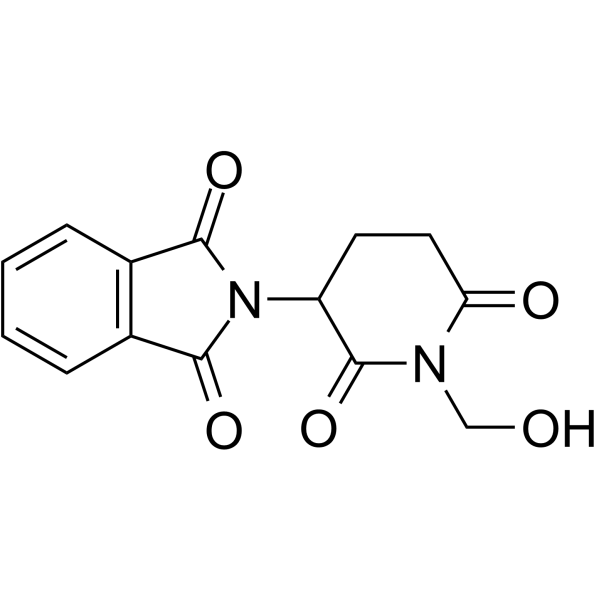 0 ImagesSynonyms: N-(Hydroxymethyl)thalidomideCPS-11 (N-(Hydroxymethyl)thalidomide) a Thalidomide (HY-14658) analogue, is a potent anti-cancer agent. CPS-11 inhibits NF-κB, activates NFAT, and repress cytokine expression through elevated ROS. CPS-11 exhibits a wider activity spectrum and higher potency against MM (multiple myeloma) cell lines.
-
Anti-Mouse 2C TCR Antibody (1B2)
 0 ImagesCat. No.: HY-P990303Anti-Mouse 2C TCR Antibody (1B2) is a mouse-derived IgG1 type antibody inhibitor, targeting to mouse 2C TCR. Anti-Mouse 2C TCR Antibody (1B2) recognizes determinants on the variable regions of both the α and β subunits of the TCR (T cell receptor) expressed by the mouse cytotoxic T lymphocyte clone 2C. Anti-Mouse 2C TCR Antibody (1B2) can be used for the detections of immunofluorescence and flow cytometry.
-
(+)-Syringaresinol
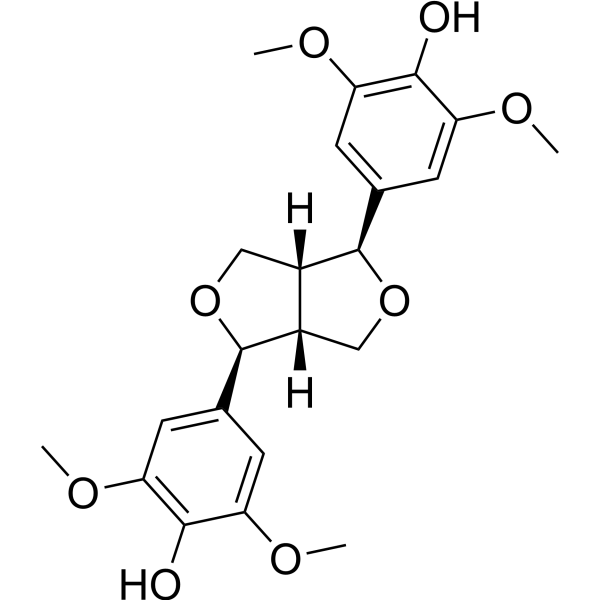 0 Images(+)-Syringaresinol, a lignan, is a NFAT transcription factor inhibitor, with an IC50 of 329.4 μM. (+)-Syringaresinol also can be used for the research of lymphocytic leukemia.
-
Gomisin E
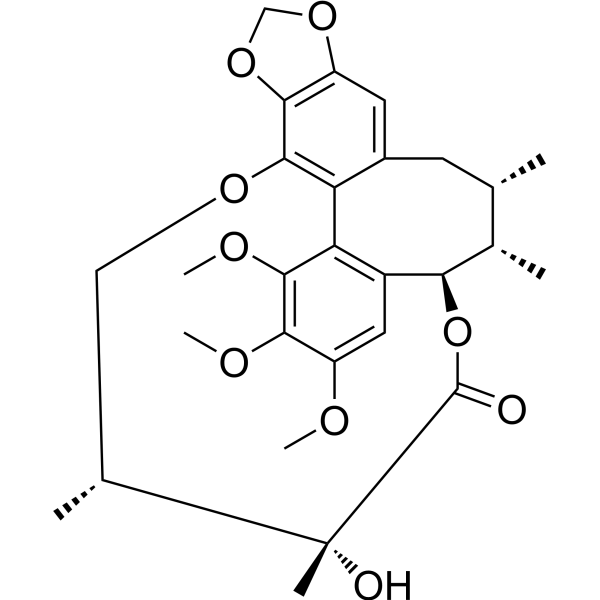 0 ImagesCat. No.: HY-N7310CAS No.: 72960-21-5Gomisin E, a dibenzocyclooctadiene lignan isolated from the fruits of Schizandra chinensis, inhibits NFAT transcription with an IC50 of 4.73 μM.
-
UR-1505
 0 ImagesUR-1505 is a nuclear factor of activated T cells (NF-AT) inhibitor. UR-1505 can suppress CD3/CD28 induced T cell proliferation, increase p27KIP levels, and induce G1/S cell cycle arrest. UR-1505 can also inhibit the production of IL-5 and IFN-γ in activated T cells. UR-1505 has immunomodulatory properties and can be used in the study of atopic dermatitis.
-
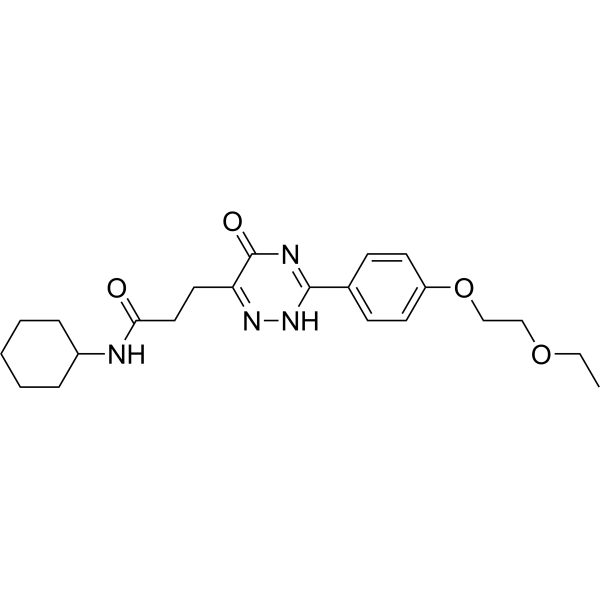
Sulfo galactosylceramide
 0 ImagesSynonyms: (3'-sulfo)Galβ-Cer(d18:1/24:1); N-Nervonoyl Sulfatide; C24:1 SulfatideSulfo galactosylceramide (N-Nervonoyl Sulfatide; C24:1 Sulfatide) is a glycolipid and the major sulfolipid species in mature myelin. Sulfo galactosylceramide interacts with C-type lectins and immunoglobulin-like receptors, with the highest affinity for LMIR5. Sulfo galactosylceramide induces MCP-1 production by basophils but not mast cells, and increases NFAT activation via LMIR5. Sulfo galactosylceramide alleviates symptoms and improves survival in a mouse model of chronic relapsing-remitting experimental autoimmune encephalomyelitis (EAE), and reduces inflammatory lesions and the number of infiltrating mononuclear cells in the lumbar spinal cord of EAE mice.
-
Cucurbitacin R
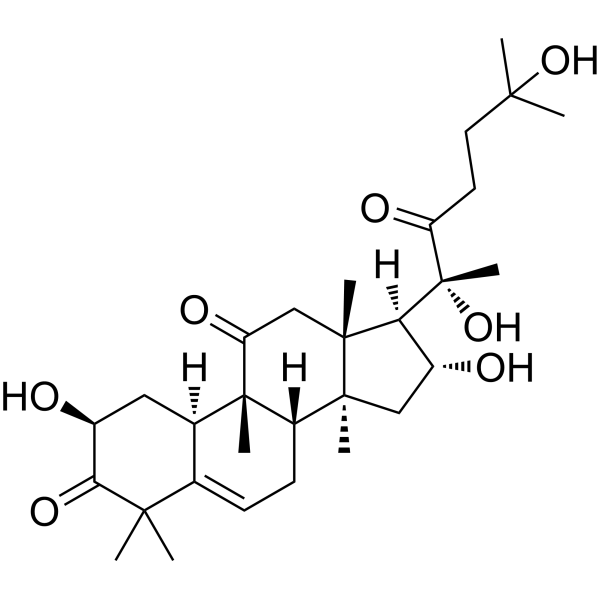 0 ImagesCat. No.: HY-N11080CAS No.: 55903-92-9Cucurbitacin R is an orally active anti-inflammatory agent. Cucurbitacin R is isolated from the roots of Cayaponia tayuya. Cucurbitacin R inhibits Cyclooxygenase-2. Cucurbitacin R inhibits Interleukin-6-induced STAT3 activation and cytokine production, blocks NF-κB activation, and selectively prevents NFAT nuclear translocation without affecting Calcineurin activity. Cucurbitacin R inhibits TNF-α production and Nitric-oxide synthase-2 expression. Cucurbitacin R reduces joint damage, soft tissue swelling, paw edema, ear edema, inflammatory cell infiltration, and epithelial thickness. Cucurbitacin R can be used for research on arthritis and delayed-type hypersensitivity.
-
ABD-295
 0 ImagesCat. No.: HY-111248CAS No.: 871113-99-4ABD-295, a biphenylsulfide derivative, is an antiresorptive agent, osteoclast inhibitor. ABD-295 has potent inhibitory effects on osteoclastic bone resorption in vitro. ABD-295 prevents ovariectomy-induced bone loss in vivo[1].




